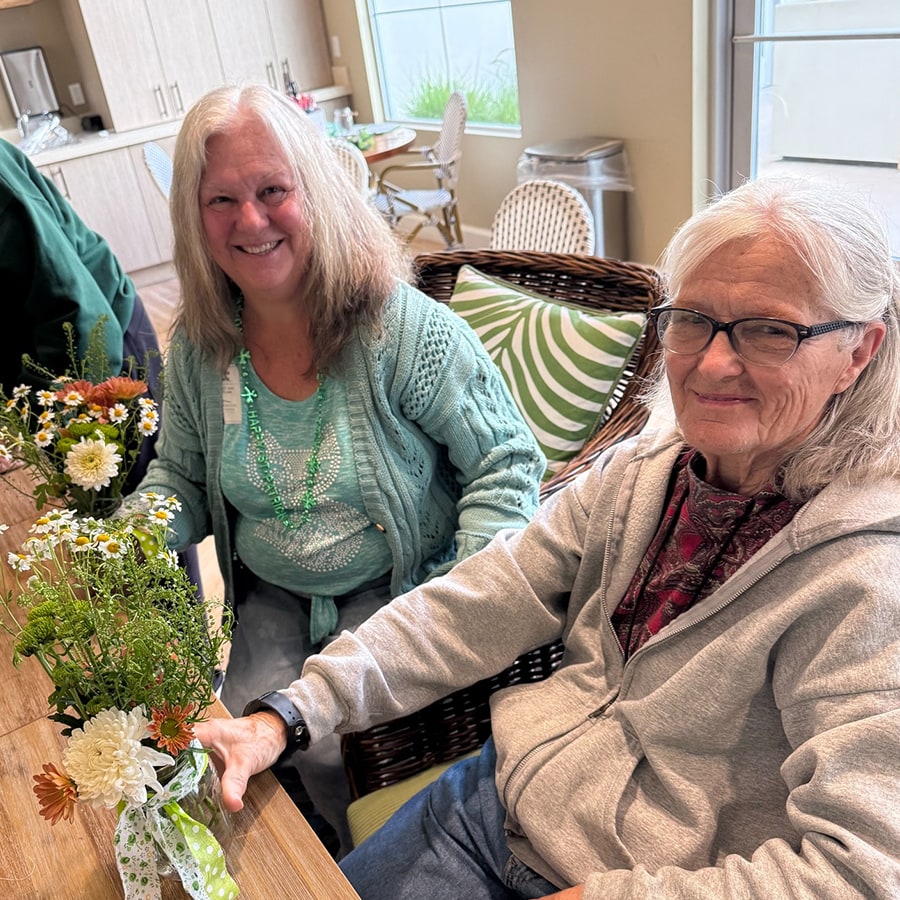


Heart health is often discussed in terms of numbers, checklists, and individual habits. But for many older adults, heart health is shaped just as much by how they live each day. Connection, purpose, movement, and shared experiences all play a meaningful role in supporting well-being as we age.
As conversations around heart health continue to evolve, a more holistic perspective has emerged—one that recognizes the impact of community and connection on both emotional and physical well-being. This approach doesn’t replace traditional guidance; rather, it expands the conversation to include the rhythms of daily life that help people feel engaged, supported, and energized.
The Link Between Heart Health and Human Connection
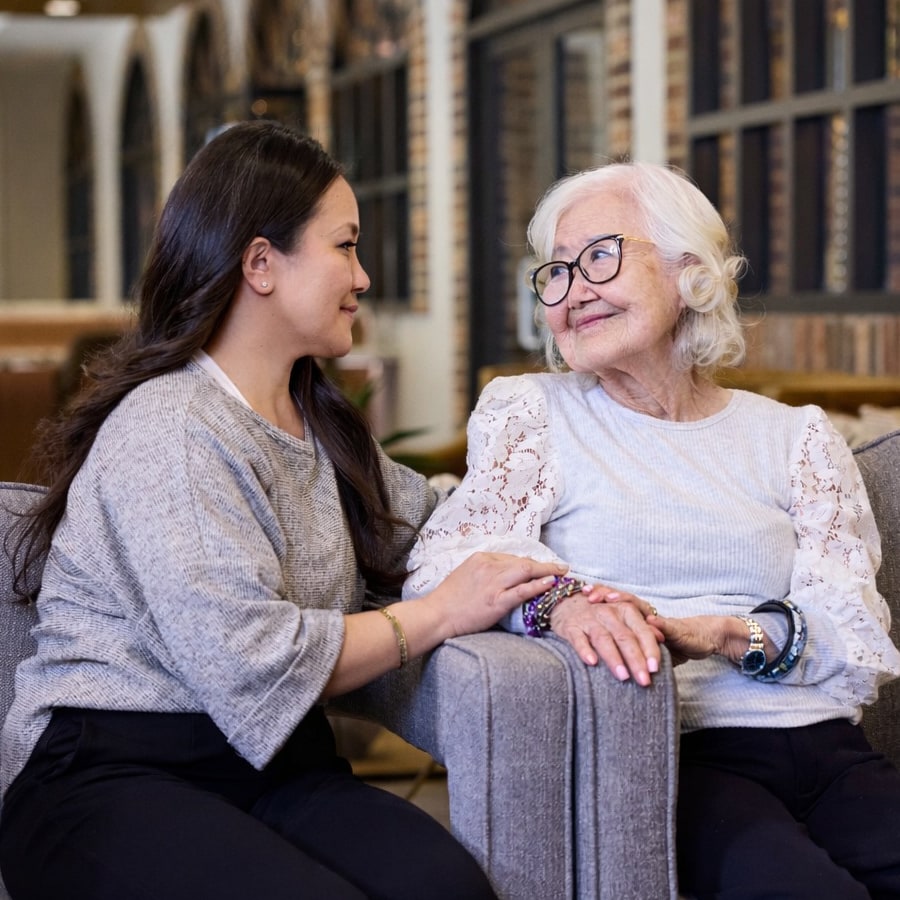
Humans are social by nature. At every stage of life, meaningful relationships help shape our sense of belonging and purpose. For older adults, staying connected—to friends, neighbors, family, and shared experiences—can be especially important.
Research consistently shows that social connection is associated with improved emotional health, reduced stress, and a greater sense of satisfaction with life. These factors are closely tied to heart health, as stress levels, mood, and daily engagement all influence overall well-being.
The link between connection and heart health is also supported by the American Heart Association. According to their experts, people who are more socially connected tend to live longer and face a lower risk of earlier death from all causes, including cardiovascular disease. In contrast, poor social relationships have been associated with a 29% increased risk of coronary heart disease and a 32% increased risk of stroke.
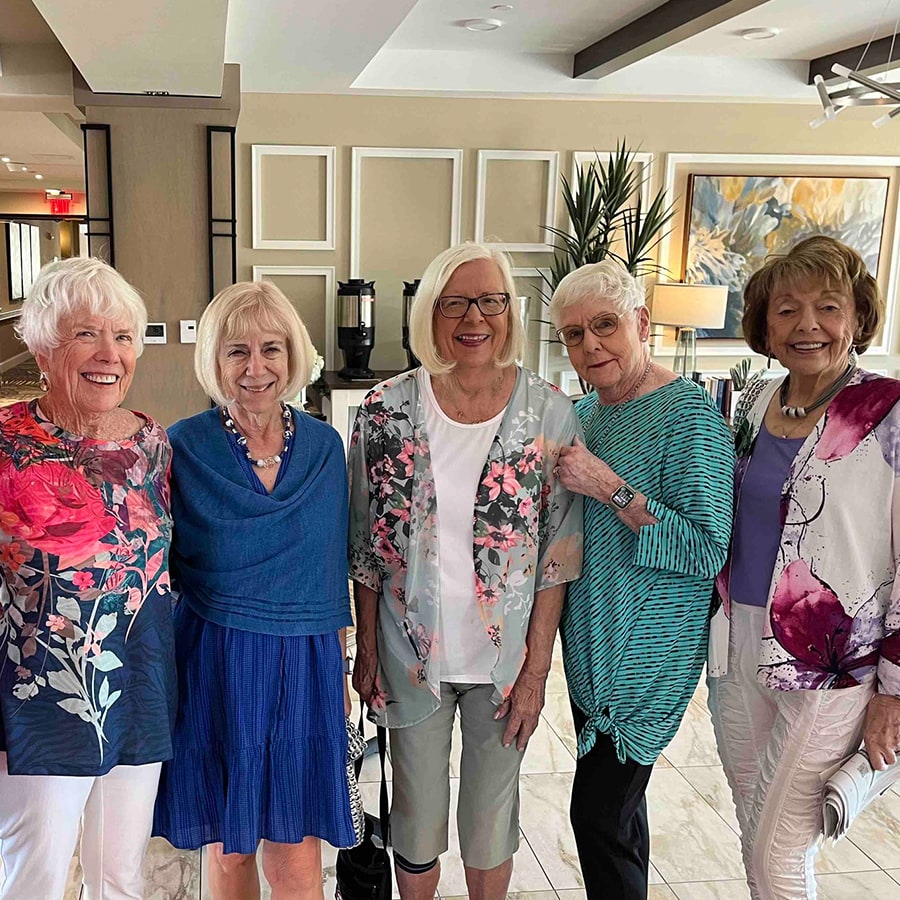
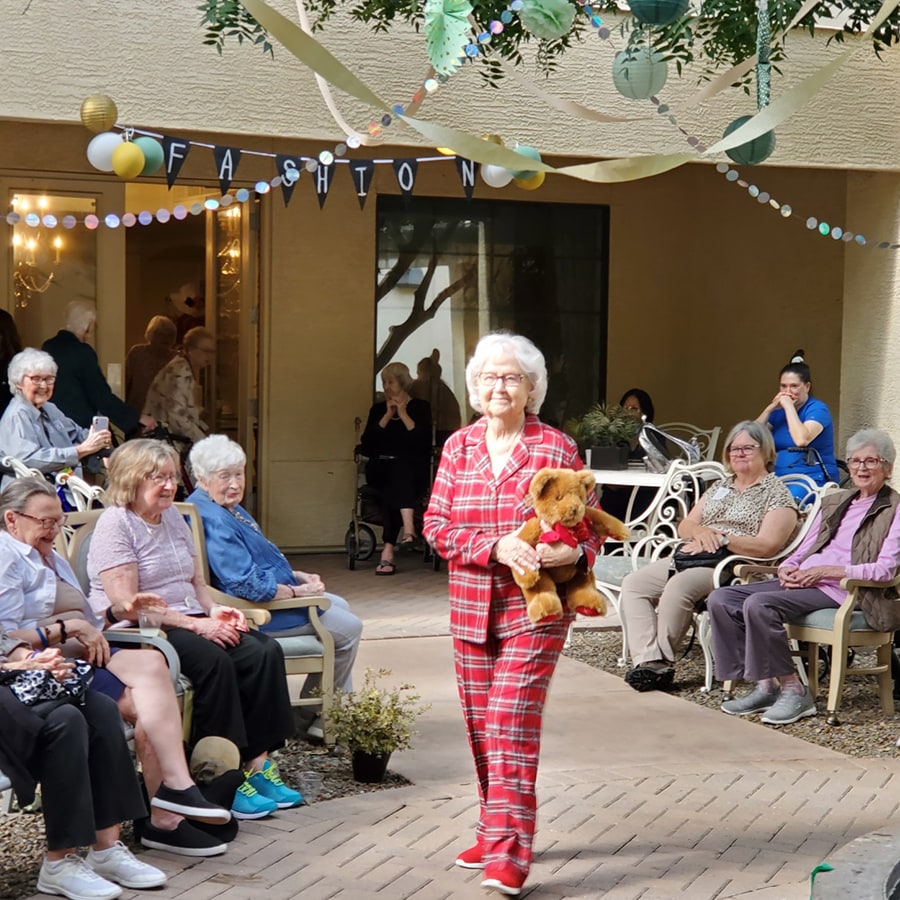
Community offers something that individual habits alone cannot: a shared experience of living well. Whether it’s conversation over coffee, a regular walking group, or a shared interest that brings people together, these moments create structure, motivation, and meaning.
Community as a Foundation for Living Well
A thoughtfully designed community creates opportunities for connection to happen naturally. Rather than relying on effort or obligation, engagement becomes part of everyday life—woven into meals, activities, and shared spaces.
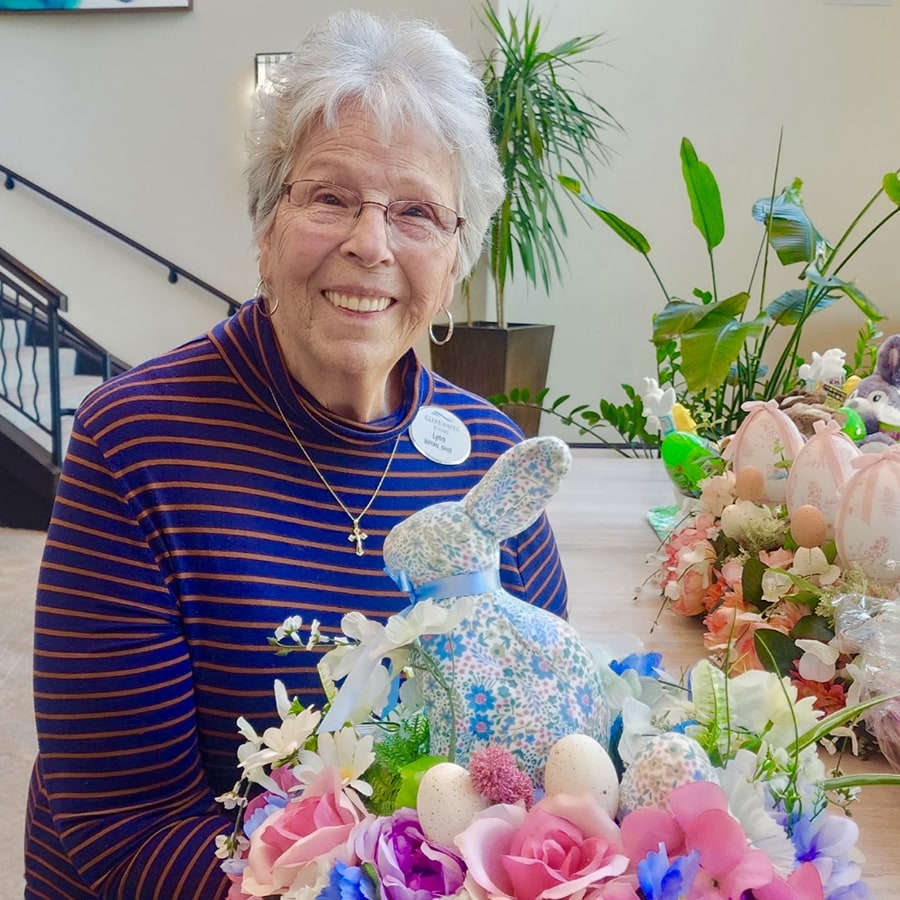
In environments that emphasize purposeful living, residents are encouraged to stay involved in ways that feel authentic to them. Some may gravitate toward group discussions or creative pursuits, while others find fulfillment in movement-based activities or informal social gatherings. The key is variety and choice, allowing individuals to engage on their own terms.
This philosophy reflects a broader understanding of wellness—one that recognizes physical health, emotional fulfillment, and social engagement as deeply interconnected. When people feel connected and supported, they’re more likely to stay active, maintain routines, and approach daily life with optimism.
Movement Is Better Together
Physical activity is often more enjoyable—and more sustainable—when it’s shared. Group movement, whether structured or informal, brings together the benefits of staying active with the motivation that comes from being among peers.
Walking clubs, gentle fitness classes, dance, or outdoor excursions create opportunities for movement that feel social rather than solitary. These experiences encourage consistency while fostering camaraderie and shared accomplishment.
Movement doesn’t need to be intense to be effective. What matters most is that it feels approachable, enjoyable, and woven into daily life. When activity is framed as a social experience, it becomes something to look forward to and another way to connect with others while supporting heart health.
The Role of Purpose and Belonging
Heart health is influenced not only by what we do, but by how we feel. A sense of purpose—knowing that one’s presence matters—can be a powerful contributor to emotional well-being.
Opportunities to share knowledge, mentor others, participate in discussions, or contribute to community life help reinforce this sense of belonging. These experiences offer more than engagement; they provide meaning.
Feeling connected to a community where interests are recognized and contributions are valued can help foster confidence and engagement. Over time, this sense of belonging supports routines, encourages participation, and enhances quality of life.
Nourishment, Enjoyment, and Shared Meals
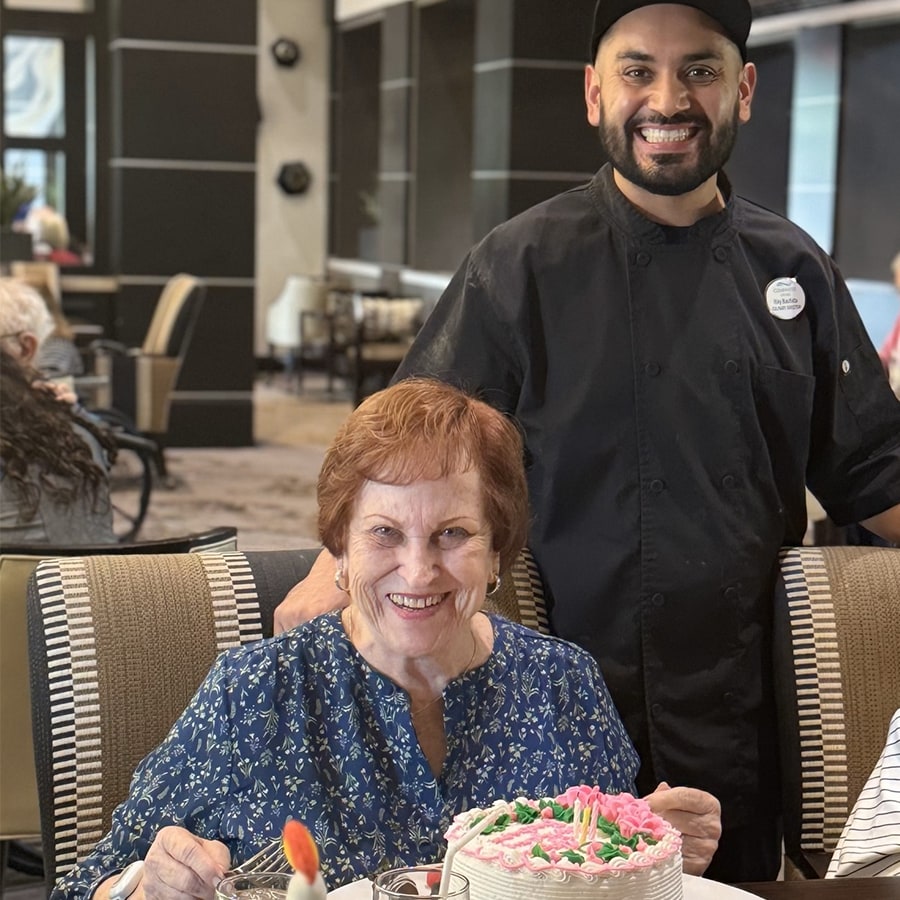
Food plays an important role in daily life—not just as nourishment, but as a shared experience. Meals have long been a way for people to connect, celebrate, and slow down together.
Approaching nourishment with balance and enjoyment allows food to support well-being without becoming restrictive or isolating. Shared dining experiences encourage conversation, connection, and routine. These are elements that contribute to emotional health and a positive daily rhythm.
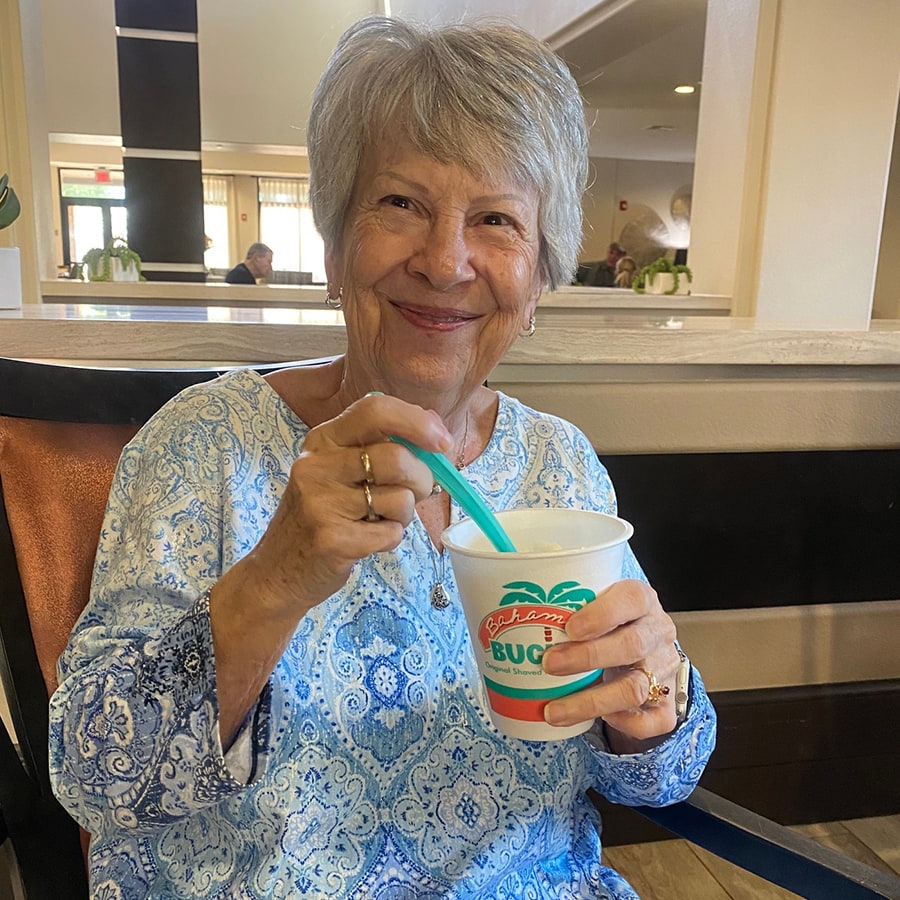
Enjoyment matters. Whether it’s trying a new dish, sharing a favorite recipe, or enjoying a glass of wine in good company, these moments add richness to everyday life. They remind us that living well is about balance—honoring both health and gratification.
Environment Shapes Experience
The spaces we inhabit influence how we feel and how we engage with others. Welcoming environments with inviting common areas, natural light, and thoughtfully designed spaces encourage people to come together.
An environment that supports connection makes it easier to participate, linger, and interact. Over time, these everyday interactions build familiarity and trust, turning neighbors into friends and shared spaces into gathering places.
When surroundings feel comfortable and intentional, they offer a lifestyle that values presence, routine, and connection—key components of holistic heart health.
A Holistic Perspective on Heart Health
Heart health is not defined by a single habit or moment. It’s shaped by the accumulation of daily experiences—how we move, how we connect, how we nourish ourselves, and how we engage with the world around us.
A holistic approach recognizes that community and connection are not extras, but essential elements of living well. They influence motivation, emotional balance, and the consistency of healthy routines.
For individuals and families exploring senior living options, this perspective offers an important lens. The question becomes not only what services are available, but how a community supports meaningful connection, purpose, and daily engagement.
Living Well, Together
As we consider heart health during American Heart Month and beyond, it’s worth expanding the conversation. Supporting heart health means supporting the whole person—mind, body, and spirit.
Community, connection, and shared experiences play a powerful role in shaping how we age. When people feel engaged, valued, and connected, they’re better positioned to live fully and well.
Heart health, at its core, is about sustaining a life that feels rich, balanced, and connected: one where well-being is nurtured through everyday moments, together.
Additional Heart Health Resources
For more resources from Clearwater Living on support heart health learn more through these additional articles: